

About Us
Hi, I'm Denise Stinson, a mom and full-time blogger.
I write about lifestyle and living life and covering life aspects and issues. This blog is a broad-based subject site where I talk about anything and everything and publish what I've discovered and have learned throughout the years of my life.
I aim to make my posts easy to read and informative. Maybe they might even inspire you, so why not have a look.
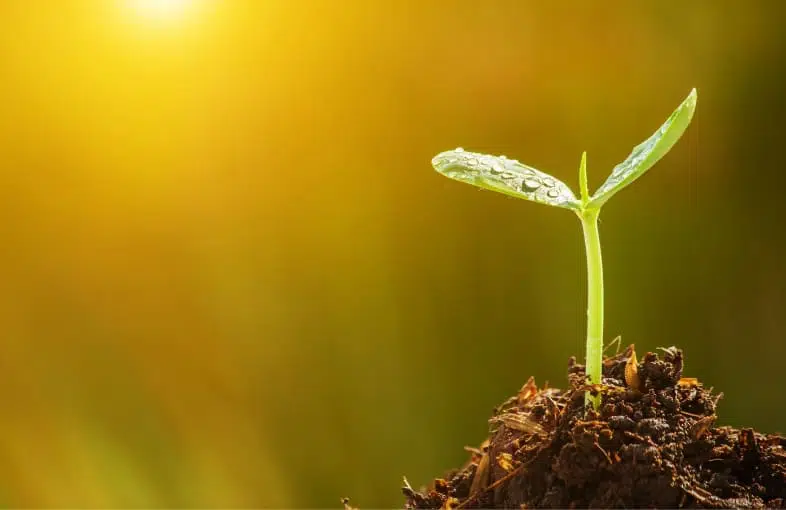
How To Grow Plants From Seed At Home
If you ever wanted to learn how to grow plants from seed, then check out this section of the website.
You might want to grow plants from seed for a hobby or you might want to consider going a bit bigger and start growing plants from seed for a commercial aspect. There is big money to be made in plants and growing from seed is one of the cheapest ways to make money from plants.
Have a look, get inspired and see where it leads.
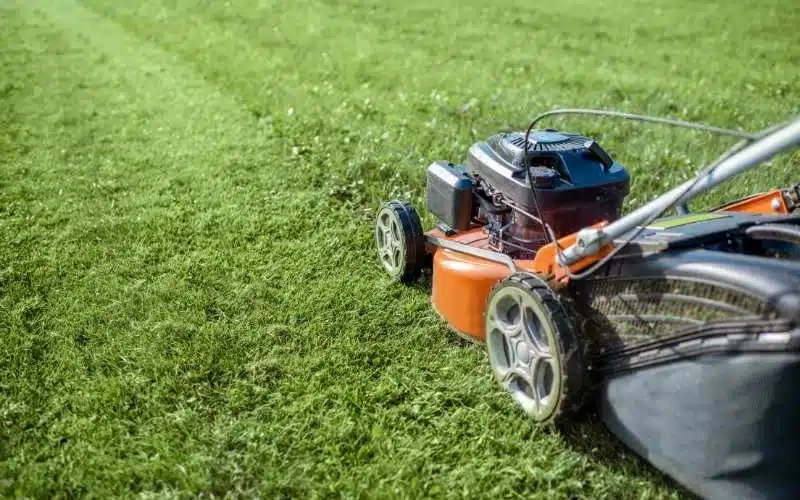
Mowing the lawn is more than just a weekend chore. When executed with precision and expertise, it can transform an ordinary garden into a lush, visually pleasing haven. If you've ever gazed upon a golf course or sports field and marveled at the intricate patterns and sheer perfection of the grass, you've witnessed the art of Cut Grass Like a Pro ...
Read More
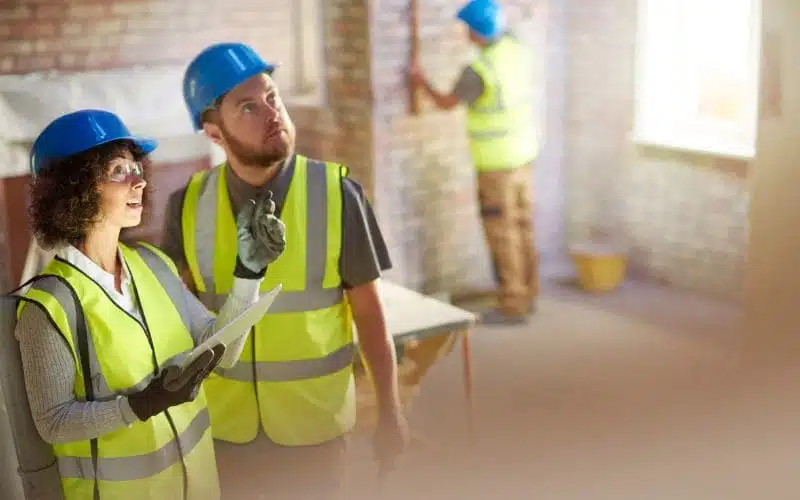

Entrepreneurs often worry about the long hours they work alone, how difficult it is to succeed, and all of the other demands that come with running a business. No matter how big or small your worries are, you can find a way to be calm and spend 15-20 minutes worrying each day. These tips will help you to spend a few moments a day worrying rather than being ...
Read More

Luck is not something that can be nurtured and developed. You are either lucky or not! People blessed with luck often have a variety of traits. Although it isn't known whether these traits are due to luck, or if luck is a result of their choices and behaviors, it is worth adding these activities to your daily routine to see the results. 1. They are proactive in achieving ...
Read More
There are few things that are more unpleasant in life than feeling out of control. We desire autonomy and not being controlled by others at work. Because we want to be in control, we hate change and prefer predictability (almost all the time). We don't feel good if we feel like we can't control the world. You can however change this by working to improve your control. People ...
Read More

Everybody wants to be secure. There is a huge difference between being confident and actually being secure. True confidence comes from within. It is possible to feel it in others, as well as within ourselves. It communicates through our actions, how we speak and how we act. These 7 phrases are used by confident people all the time. 1. I don't know People who don't feel confident about ...
Read More
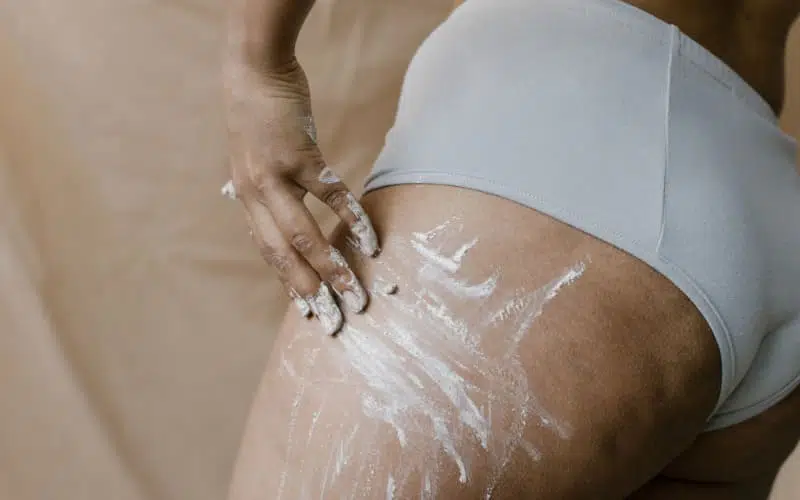
Reducing cellulite is popular topic for a lot of woman around the world. But how you reduce or eliminate it is often a mystery? You should be aware, that it is not a simple easy process. However, it is possible! Curious? Check out the post below: - When those dimples appear on your legs and thighs, it means you have a build up of cellulite. But before figuring ...
Read More
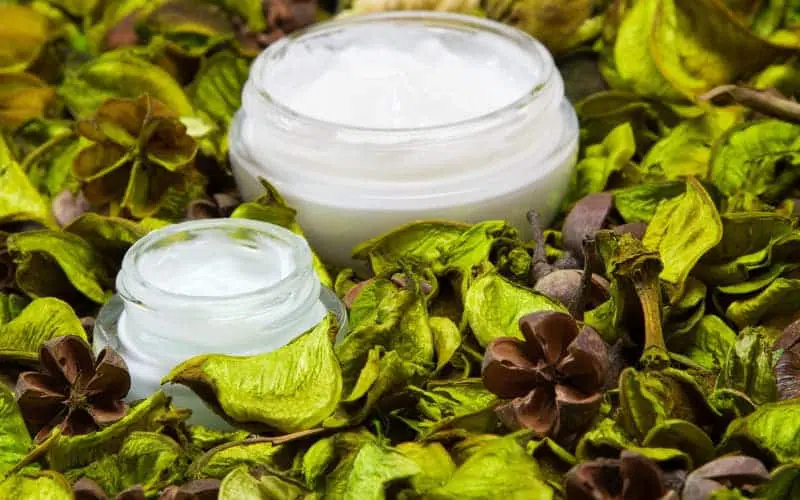
Organic silicon is a fabulous essential mineral for the body. In this post, you learn how to use organic silicon. Organic silicon is an essential mineral for the human body. This mineral and can be absorbed through fruits, vegetables and cereals. In addition, it is possible to obtain the supplementation of the mineral through capsules or powder. Silicon contributes to the synthesis of collagen, elastin and hyaluronic acid ...
Read More
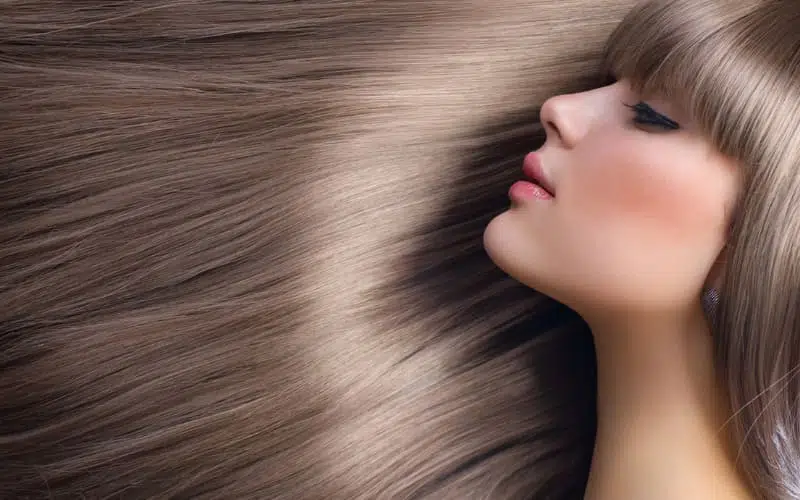
If having beautiful hair is your dream, get ready to learn simple tips that actually help in hair strengthening. Read on to learn more about having beautiful hair. Having beautiful hair is every woman's desire. It doesn't matter if it's long, short, straight, curly, frizzy, colorful, chemical-free, the goal is that the hair has life, that it is shiny and healthy. However, with aggressive routines and bad habits, ...
Read More

Several factors can compromise skin elasticity, including natural aging, weight loss and pregnancy. But, did you know there are ways to improve your appearance and self-esteem? That's what we'll discuss in this post. You may have noticed that over the years, the elasticity of your skin has changed. This is completely normal, even if it is not what you want.. Experiences such as pregnancy, excessive weight loss and ...
Read More

Caring for a beautiful body is sometimes a chore. But what does it mean to you, to have a beautiful body? In this post, I will lay down some tips that can help improve your health and your own relationship that you have with your body. Having a beautiful body is very subjective. After all, beauty is something to one person and something else to another. So what ...
Read More